
Sciatica Treatment in Lombard, IL
That sharp, burning pain down your leg can take over your day and change the way you move.
Quick answer: Sciatica is pain that travels from the low back or buttock down the leg when the sciatic nerve is irritated, often by a disc, a tight piriformis muscle, or a stiff lower-back joint. At True Health in Lombard, we work out which one is irritating your nerve, then treat it with gentle chiropractic care and acupuncture.
Rated 5.0 on Google by 100+ patients. Last updated: October 19, 2026. Reviewed by Dr. Amanda Myers, DC, MS.
That sharp, burning pain down your leg can take over your day and change the way you move, sit, drive, sleep, and shift around how you sit, drive, and even how you sleep.
If you’ve tried stretching and getting some rest, but you continue to push through, and it keeps coming back, that would make anyone Frustrated.
Sciatica tends to begin in the lower back
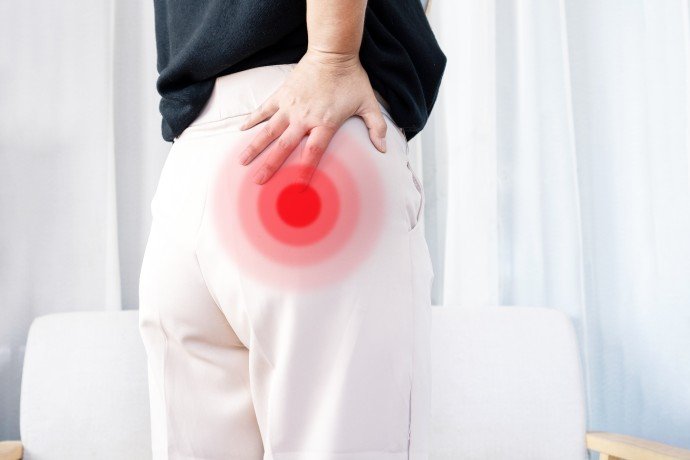
Sciatica tends to begin in the lower back, even when your leg hurts most. A disc injury, a stiff joint, or tight, uneven muscles can irritate the nerve, and if the real problem isn’t fixed, the cycle continues.
Want to read more? See can a pinched nerve heal on its own, pinched nerve in the neck vs. upper back, can a chiropractor help with neuropathy, and sciatica vs piriformis syndrome.
We focus on finding the exact spot that is putting pressure on a nerve that is causing the pain. Then we focus on your goals to build a plan around how you move, work, and live.
To do this, we need to calm the irritation, restore motion, and help your body heal naturally.
This care helps anyone with herniated and bulging discs and spinal stenosis.
We also see great results with piriformis syndrome, SI joint issues, and pinched nerves.
Numbness, tingling, leg weakness, and constant lower back pain often improve as the pressure comes off.
At True Health Chiropractic and Acupuncture, we focus on gentle, safe, and effective care for your whole family. We’re here for your journey to optimal health.
9:00 am - 1:00 pm
2:30 pm - 7:00 pm
9:00 am - 1:00 pm
2:30 pm - 7:00 pm
9:00 am - 1:00 pm
2:30 pm - 7:00 pm
1:00 pm - 7:00 pm
9:00 am - 1:00 pm
Closed
Your first visit is all about answers
Your first visit is all about answers and we will take the time to listen. We check how your body moves, then we show you what’s really causing the pain and what to do next.
Tired of the pain limiting your day-to-day tasks, including workouts, long workdays, and sleeping?
Worried this will slow you down even more?
Want to avoid injections or surgery if you can?
You found the right place, we care for patients around Yorktown Mall in Lombard, Glen Ellyn, Wheaton, Downers Grove, and Elmhurst who want real, lasting results with not another short-term fix.
If you’ve been searching for sciatica treatment, let’s figure this out together.
Schedule your visit today and start moving with confidence again.

Frequently Asked Questions about Sciatica Treatment in Lombard, IL
Sciatica typically travels down one leg, often past the knee, and can feel like burning, shooting, or electrical pain. You might also notice numbness or tingling in the leg or foot. If the pain stays in your back or hips without radiating down your leg, it’s more likely to be a different issue. We’ll tell you exactly what we find at your first visit.
Sometimes. Mild cases improve with rest, but if the nerve is being compressed by a disc or structural issue, rest alone won’t fix it. The pain fades for a while, then comes back the next time you sit too long or move the wrong way. Treatment that addresses the actual source tends to give more lasting results.
Yes. We use techniques specifically suited to sciatica, include flexion-distraction, which decompresses the spine without any forceful manipulation. We also use cold laser and electrical stimulation to calm nerve irritation. We never push care that isn’t right for your situation.
It depends on what is irritating the nerve. Many flare-ups settle over several weeks, while a disc or structural problem can take longer or return if the cause is never addressed. We cannot promise a timeline, but we will give you an honest estimate after your exam. Pain that keeps getting worse or leg weakness should be checked promptly.
Start with an exam. A chiropractor can find out whether a disc, joint, or muscle is irritating your nerve and treat that cause, and we will refer you if you need imaging or medical care. Go to urgent care or the ER right away for loss of bladder or bowel control, numbness in the groin area, fever with back pain, or rapidly worsening leg weakness.