Your shoulders carry the day. Your low back carries the desk. Your hamstrings carry the runs. Your trapezius carries the stress. By the end of the week your body is wound up — tight, achy, restricted, irritable. You have been thinking about getting a massage. The question is whether you want a spa massage that feels nice for an afternoon, or therapeutic massage that actually changes how your body feels.
Therapeutic massage at True Health is the latter. It is part of an integrated care plan — soft tissue work designed to address the specific muscles, fascia, and movement patterns that are creating your pain or restriction. It is more focused than spa massage and more effective for actually changing the tissue.
What therapeutic massage actually is
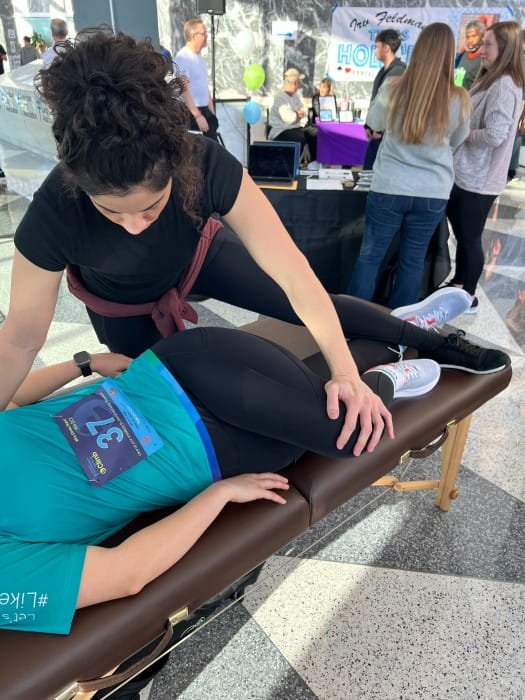
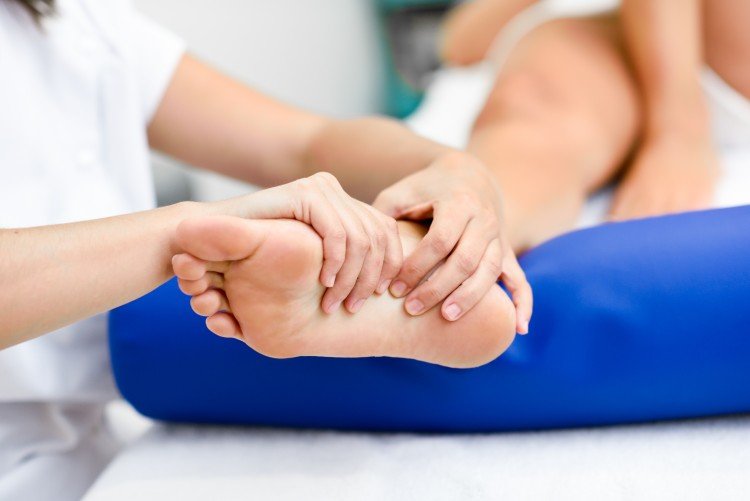
Therapeutic massage is targeted manual therapy applied to specific muscles, fascia, and connective tissue to release restriction, reduce muscle tension, improve circulation, and support healing. The techniques include deep tissue work, myofascial release, trigger point therapy, sports massage techniques, and integrated approaches based on what your tissue actually needs.
It is different from spa massage in goal and approach. Spa massage is primarily about relaxation and the experience. Therapeutic massage is primarily about changing the tissue — addressing the specific restrictions and dysfunction that are contributing to your pain or limitation. Both have value. They serve different purposes.
At True Health, therapeutic massage is integrated with chiropractic, acupuncture, and rehabilitation when relevant. The combination addresses joint function, soft tissue restriction, nervous system regulation, and movement patterns together rather than in isolation.
What we treat with therapeutic massage
Therapeutic massage at True Health is used for:
- Chronic muscle tension and trigger points — particularly upper trapezius, neck, low back, and glutes
- Soft tissue contribution to back, neck, and shoulder pain
- Post-workout and post-event recovery for athletes
- Pregnancy-related soft tissue tension and discomfort
- Stress-related muscle tension — the muscles that hold tension when your nervous system is under sustained load
- Headache-related soft tissue dysfunction — upper cervical, suboccipital, and jaw muscles
- Athletic injury recovery — strains, overuse syndromes, recovery from competition
- Post-surgical soft tissue rehabilitation when appropriate
- Scar tissue and fascial restrictions from prior injury or surgery
Most patients use therapeutic massage as part of their broader care plan rather than as a standalone treatment.
What to expect during a therapeutic massage session
Sessions typically run sixty to ninety minutes. The treatment:
- Brief intake. What is bothering you, what areas need focus, what techniques and pressure you prefer, anything that has changed since your last visit.
- Treatment. Targeted work on the muscles and fascia involved in your specific issue. Pressure is adjusted to what you can tolerate and what the tissue needs. Communication is encouraged — we want feedback so the work is effective without being overly uncomfortable.
- Integration. When you are part of a broader care plan, the massage work is coordinated with your chiropractic adjustments, acupuncture, and rehabilitation so everything moves in the same direction.
- Aftercare. Some mild soreness for a day or two is normal after deeper work. Hydration helps. We give you specific guidance on movement, ice or heat, and any self-care that supports the work.
Frequency depends on what we are addressing. Acute conditions may need weekly sessions for a few weeks. Maintenance work for chronic patterns or athletic recovery often works well at every two to four weeks.
How therapeutic massage integrates with the rest of your plan
Massage work is most effective when it is part of a coordinated approach rather than a standalone treatment. Chiropractic restores joint motion. Massage releases the soft tissue that has been guarding around restricted joints. Acupuncture addresses the nervous system and inflammation. Rehabilitation rebuilds the patterns that prevent the restriction from recurring.
Done in isolation, each of these has value but limited duration. Done together, they create durable change. That is why True Health integrates massage with our other services in a single care plan with one care team.
Common questions about therapeutic massage
What is the difference between spa massage and therapeutic massage?
Spa massage focuses primarily on relaxation and the experience — pleasant, full-body, generally light to medium pressure. Therapeutic massage focuses on changing the tissue — targeted work on specific muscles, fascia, and trigger points contributing to pain or restriction. Both have value. Therapeutic massage is more effective for actually addressing musculoskeletal complaints. We do therapeutic work at True Health, integrated into broader care plans.
How often should I get a therapeutic massage?
It depends on what we are addressing. Acute conditions like a recent strain or significant tension pattern may need weekly sessions for a few weeks. Maintenance work for chronic patterns or athletic recovery typically works at every two to four weeks. Pre-event work for athletes has its own timing. We give recommendations based on your specific case and goals.
Will deep tissue massage hurt?
Deeper work can be uncomfortable in places, particularly in chronically tight tissue. Most patients describe it as a productive discomfort — like the feeling when you stretch a tight muscle. We adjust pressure throughout to what you can tolerate, and we want you to give feedback so the work is effective without being overly painful. Some soreness for a day or two afterward is normal.
Is massage safe during pregnancy?
Yes, when performed by a practitioner experienced in prenatal massage using pregnancy-specific techniques and positioning. Prenatal massage helps with back pain, hip and pelvic discomfort, leg swelling, sleep, and overall pregnancy-related tension. We use pregnancy-specific support cushions and modify the approach for each trimester. We coordinate with your OB or midwife when relevant.
Does insurance cover therapeutic massage?
Coverage varies by plan. Some plans cover massage therapy when delivered as part of a treatment plan for a specific musculoskeletal condition. Many plans do not cover massage at all. We verify your specific coverage before treatment and tell you upfront what is covered and what is self-pay. HSA and FSA payments are accepted. Most patients pay self-pay for massage but find it worthwhile as part of a comprehensive care plan.
Should I get massage or chiropractic — which one do I need?
Often both. They address different things. Chiropractic restores joint motion and treats nerve-related symptoms. Massage releases the muscle and fascia restrictions that build up around joint dysfunction. Many patients get the best results from combined care — massage softens the tissue so adjustments hold better, and adjustments restore motion so muscle work has lasting effect. We evaluate your specific case and recommend what is most likely to help.
What should I do after a therapeutic massage?
Hydrate well — therapeutic massage moves a lot through your tissues. Move gently for the rest of the day rather than going straight to a heavy workout. Some mild soreness for a day or two is normal, especially after deeper work. We give specific aftercare guidance based on what we did and what you are working on. Avoid very hot baths or saunas immediately after deep tissue work.
Can therapeutic massage help with athletic recovery?
Yes — sports massage and therapeutic recovery work is one of the most common uses we see. Massage between training sessions can accelerate recovery, reduce delayed-onset muscle soreness, and address developing tension before it becomes an injury. Pre-event massage prepares the tissue for performance. Post-event work supports recovery. We coordinate with your training plan and competition schedule.
Therapeutic massage across DuPage County
- Massage therapy for Lombard patients
- Massage therapy for Wheaton patients
- Massage therapy for Glen Ellyn patients
- Massage therapy for Downers Grove patients
- Massage therapy for Elmhurst patients
- Massage therapy for Naperville patients
- Massage therapy for Oak Brook patients
- Massage therapy for Villa Park patients
- Massage therapy for Addison patients
Common reasons we use therapeutic massage
- Back pain — soft tissue contribution to chronic pain
- Neck pain and tech neck — upper trapezius, suboccipital tension
- Shoulder pain — rotator cuff and surrounding tissue
- Sports injuries — recovery, prevention, and rehabilitation
- Prenatal care — pregnancy-specific soft tissue work
Add therapeutic massage to your plan.
Book a Discovery Assessment to see how massage fits with the rest of your care — or call us to schedule a session directly if you already know what you need.
Or call: (630) 796-2083